
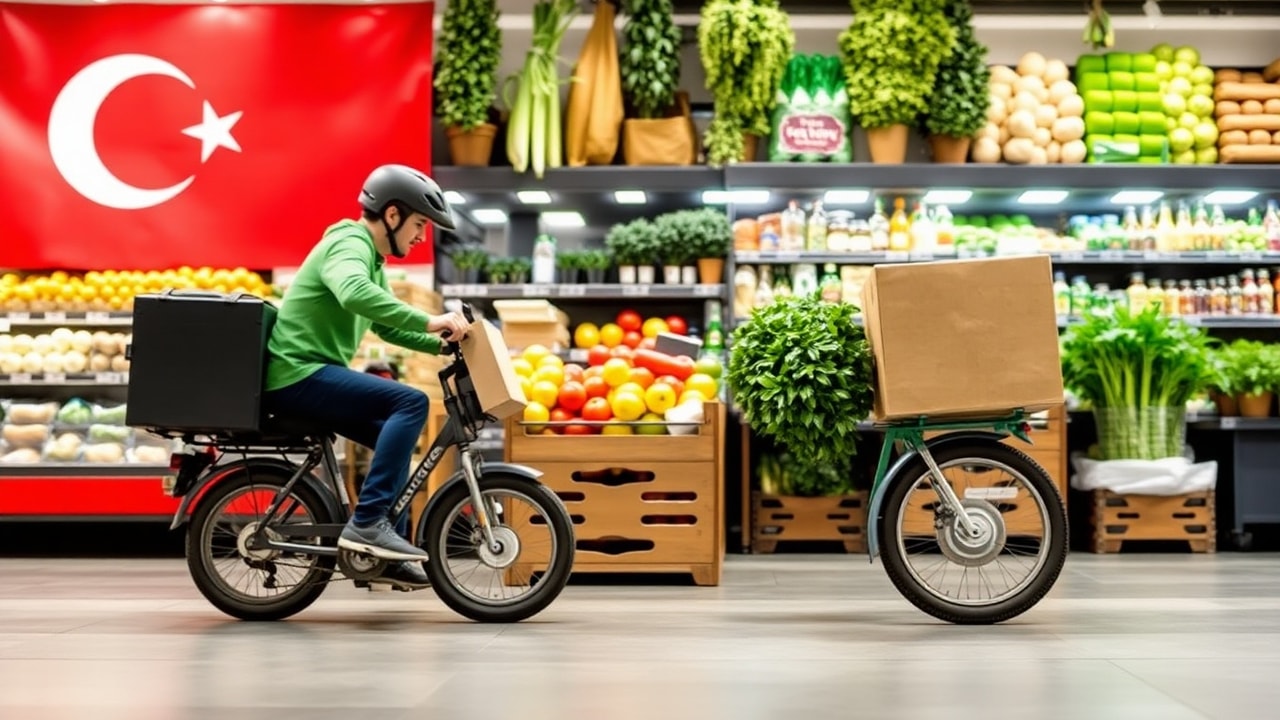
The grocery retail industry is rapidly evolving as consumers increasingly rely on mobile technology to purchase daily essentials. Across Turkey, grocery store owners are embracing digital transformation to meet customer expectations for convenience, speed, and seamless shopping experiences. One solution gaining significant attention is a White Label Grocery Delivery App in Turkey, which allows businesses to launch a branded online grocery platform without building software from scratch.
As grocery businesses continue to modernize their operations, many owners want to understand what influences the cost of implementing a White Label Grocery Delivery App in Turkey. While there is no universal pricing model, several factors determine the overall investment required. From customization and logistics capabilities to scalability and technology integrations, understanding these elements helps businesses make informed decisions and maximize long-term value.
Additionally, many modern grocery platforms now integrate advanced technologies such as AI-Driven Logistics Platform capabilities and comprehensive Logistics Software Solutions to improve operational efficiency and customer satisfaction.
Understanding a White Label Grocery Delivery App
A white label grocery delivery application is a pre-built software solution that can be customized to match a grocery store’s branding and operational requirements. Instead of spending extensive time and resources on custom development, businesses can launch their own grocery delivery service using an established platform.
These solutions typically include:
● Customer mobile applications
● Delivery management tools
● Grocery store administration panels
● Inventory management systems
● Payment gateway integration
● Order tracking functionality
● Customer communication features
This approach enables grocery retailers in Turkey to enter the digital marketplace more efficiently while maintaining complete control over their brand identity.
Why Grocery Businesses in Turkey Are Investing in Digital Grocery Platforms
Consumer purchasing habits have changed significantly in recent years. Customers increasingly prefer ordering groceries online and receiving deliveries at their convenience.
As a result, many businesses across Turkey are adopting a White Label Grocery Delivery App in Turkey to achieve several important goals:
Expanding Customer Reach
A mobile application allows grocery stores to serve customers beyond their immediate physical location, increasing visibility and sales opportunities.
Enhancing Customer Convenience
Customers can browse products, place orders, make payments, and track deliveries from a single platform.
Strengthening Brand Recognition
A dedicated application helps businesses build stronger relationships with customers while reinforcing their unique brand identity.
Improving Operational Efficiency
Digital platforms streamline order processing, inventory management, and delivery coordination, reducing manual effort and improving productivity.
What Determines the Cost of a White Label Grocery Delivery App in Turkey?
The overall investment depends on several key factors that influence project complexity and long-term business value.
Feature Requirements
The number and sophistication of features significantly impact development requirements.
Basic platforms may focus primarily on ordering and delivery management, while advanced solutions can include:
● Loyalty programs
● Push notifications
● Personalized recommendations
● Customer analytics
● Multi-store management
Businesses should prioritize features that align with their operational goals and customer expectations.
Customization Needs
Every grocery business operates differently.
Some companies require unique branding elements, specialized workflows, and customized user experiences. These modifications often require additional development effort and influence the overall implementation process.
A platform designed specifically for business requirements can improve customer engagement and operational efficiency over time.
Logistics and Delivery Management
Efficient delivery operations are essential for grocery businesses.
Modern platforms increasingly incorporate Logistics Management Software to simplify delivery coordination and improve service quality.
Advanced logistics capabilities may include:
● Delivery scheduling
● Driver allocation
● Route planning
● Performance monitoring
● Delivery status updates
These features help businesses improve efficiency while delivering a better customer experience.
Technology Integrations
Many grocery businesses rely on multiple software systems to manage daily operations.
A White Label Grocery Delivery App in Turkey may need to integrate with:
● Payment gateways
● Accounting platforms
● CRM systems
● Marketing tools
● Inventory management software
The complexity of these integrations can influence project scope and implementation requirements.
The Importance of Smart Logistics in Grocery Delivery
Logistics plays a critical role in customer satisfaction and operational success.
Today’s grocery businesses are increasingly investing in advanced delivery technologies that improve speed and accuracy.
Route Optimization
Platforms equipped with Route Optimization Software can identify efficient delivery routes, helping reduce travel time and improve resource utilization.
Benefits include:
● Faster deliveries
● Reduced operational costs
● Improved customer satisfaction
● Better resource allocation
For grocery businesses handling multiple deliveries each day, route optimization can provide measurable operational advantages.
Real-Time Visibility
Modern consumers expect transparency throughout the delivery process.
Through Real-Time Vehicle Tracking, businesses can monitor delivery activities while customers receive accurate updates regarding their orders.
This capability helps:
● Improve delivery reliability
● Enhance customer trust
● Reduce service inquiries
● Increase operational visibility
Real-time tracking has become a valuable feature for grocery retailers looking to improve customer experiences across Turkey.
The Growing Role of Artificial Intelligence
Artificial intelligence is increasingly influencing grocery delivery operations.
Many advanced solutions now include AI-Driven Logistics Platform functionality that helps businesses automate and optimize key processes.
Examples include:
● Predictive demand forecasting
● Delivery planning automation
● Inventory optimization
● Customer behavior analysis
These technologies support more informed decision-making while helping businesses improve overall efficiency.
Scalability and Future Growth Considerations
When evaluating a White Label Grocery Delivery App in Turkey, grocery store owners should consider future growth requirements.
A scalable platform allows businesses to:
● Add new delivery zones
● Expand product catalogs
● Support additional users
● Increase order capacity
● Manage multiple store locations
Investing in a scalable solution helps businesses avoid costly platform migrations as operations grow.
Hidden Operational Considerations
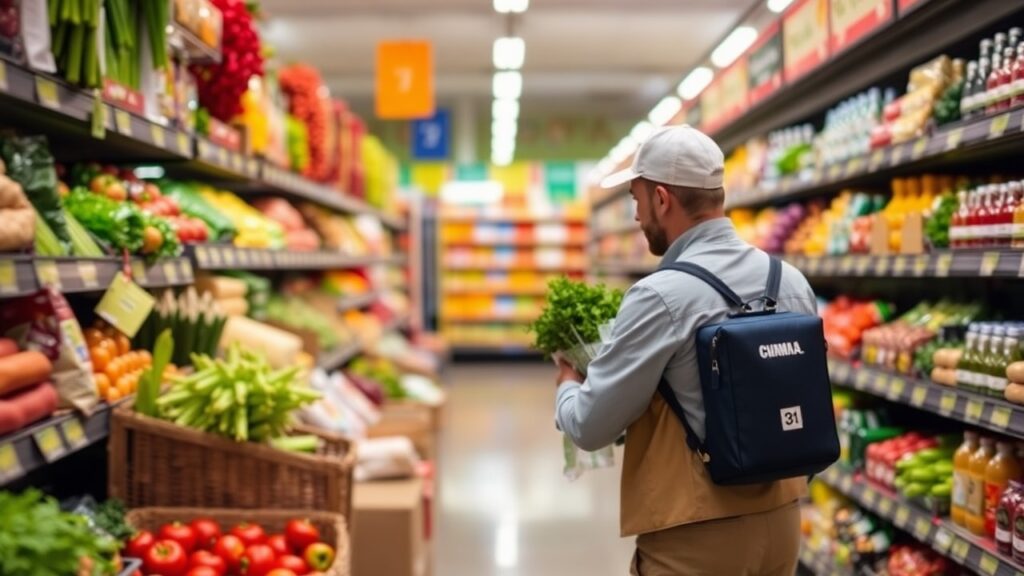
Beyond software functionality, businesses should evaluate several ongoing requirements.
Platform Maintenance
Regular updates help maintain:
● Security standards
● System performance
● Feature reliability
● Device compatibility
Customer Support
Reliable customer support contributes to a positive user experience and encourages repeat purchases.
Marketing Activities
Promotional campaigns, loyalty programs, and customer engagement initiatives help drive application adoption and long-term retention.
These factors play an important role in maximizing the value of a grocery delivery platform.
Choosing the Right Technology Partner
Selecting the right technology provider is just as important as selecting the platform itself.
Businesses should evaluate providers based on:
Industry Experience
A provider with experience in grocery delivery solutions can better understand operational challenges and customer expectations.
Customization Capabilities
The ability to tailor the platform according to business needs is essential for long-term success.
Technical Support
Responsive support services help ensure operational continuity and faster issue resolution.
Security Standards
Strong security measures help protect sensitive customer and payment information.
A reliable technology partner can contribute significantly to successful platform implementation and future growth.
Emerging Trends Shaping Grocery Delivery in 2026
The grocery delivery landscape continues to evolve through technological innovation.
Several trends are expected to influence the industry throughout Turkey:
Smarter Delivery Operations
Advanced Logistics Software Solutions are helping businesses improve efficiency through automation and data-driven decision-making.
Enhanced Customer Experiences
Personalized recommendations and simplified ordering processes continue to improve customer satisfaction.
Greater Automation
Businesses are increasingly automating inventory management, order processing, and delivery coordination to improve productivity.
Data-Driven Business Strategies
Analytics tools provide valuable insights that support better operational planning and customer engagement.
These innovations are shaping the future of grocery delivery and creating new opportunities for business growth.
Conclusion
The cost of implementing a White Label Grocery Delivery App in Turkey in 2026 depends on a variety of factors, including platform functionality, customization requirements, delivery management capabilities, integrations, scalability needs, and long-term business objectives. Rather than focusing solely on initial investment, grocery store owners should evaluate the overall value a platform can provide over time.
As digital grocery shopping continues to grow across Turkey, businesses that invest in technology-driven solutions are better positioned to meet customer expectations and remain competitive. Features such as AI-Driven Logistics Platform functionality, advanced Logistics Management Software, intelligent Route Optimization Software, comprehensive Real-Time Vehicle Tracking, and modern Logistics Software Solutions can significantly enhance operational efficiency and customer satisfaction.
By selecting a platform that aligns with both current requirements and future growth plans, grocery retailers can create a strong digital foundation that supports sustainable success in an increasingly competitive marketplace.