

How Educational Institutions in Sharjah Are Encouraging Students to Learn Mobile App Development
In recent years, the digital revolution has transformed the way students acquire skills worldwide. Sharjah is no exception. Educational institutions in the emirate are actively integrating mobile app development into their curricula and extracurricular programs, aiming to prepare students for a tech-driven future. From universities to specialized training centers, Sharjah is fostering an environment where young minds can innovate, code, and create digital solutions that meet real-world demands.
This article explores how schools, colleges, and universities in Sharjah are promoting mobile app development, the tools and programs they provide, and the opportunities this trend creates for students and the local tech ecosystem.
Why Mobile App Development Is Important for Students in Sharjah
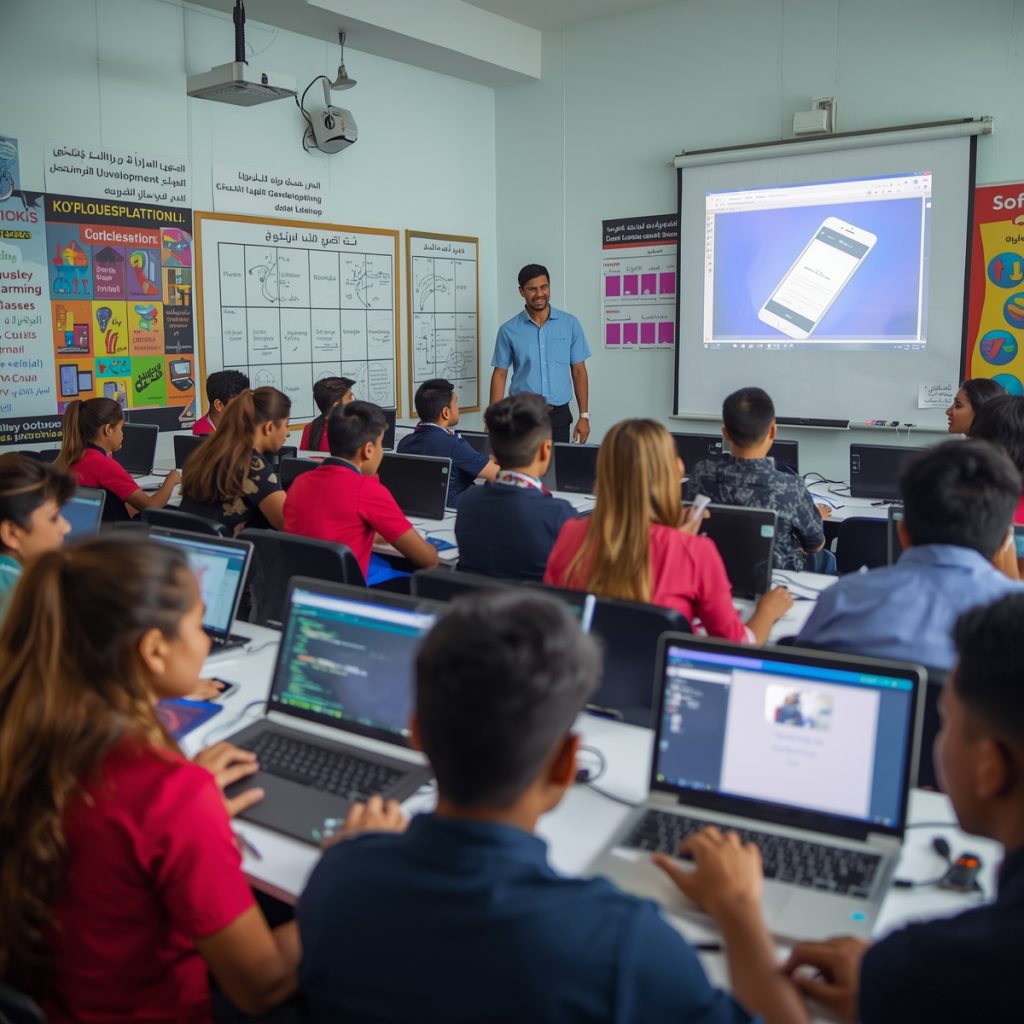
In today’s digital economy, coding and app development are essential skills. Educational institutions recognize that:
- Digital Literacy is Critical: Mobile app development teaches students how technology works and how digital solutions are built.
- Career Opportunities Are Growing: Tech industries in Sharjah and across the UAE are constantly seeking skilled developers.
- Innovation and Problem-Solving Skills: Creating apps challenges students to solve real problems creatively.
- Early Exposure Builds Expertise: Starting young helps students develop advanced skills by graduation.
By embedding these skills in education, Sharjah is equipping students to meet global tech demands.
How Schools Are Introducing Mobile App Development
Many schools in Sharjah are designing programs that blend theory with practice. Common approaches include:
🎓 Curriculum Integration
Some schools now offer coding and app development as part of ICT (Information and Communication Technology) classes. Students learn:
- Basic programming languages like Python and Java
- Introductory mobile development frameworks such as MIT App Inventor or Thunkable
- App design principles and user interface basics
🎓 After-School Programs and Clubs
Extra-curricular coding clubs give students hands-on experience. Activities often include:
- Building simple apps for school events
- Participating in coding challenges
- Attending workshops conducted by local developers and tech professionals
🎓 Project-Based Learning
Teachers encourage students to identify problems and create apps as solutions. For instance:
- School cafeteria management apps
- Event registration or scheduling apps
- Educational mini-games or learning tools
Role of Universities in Sharjah
Universities in Sharjah are taking mobile app education a step further by offering advanced courses and research opportunities.
✅ Specialized Degrees and Electives
Several institutions provide electives or full courses in mobile app development, software engineering, and UX/UI design. Students learn:
- Native app development for iOS and Android
- Cross-platform frameworks like Flutter and React Native
- Backend integration and database management
✅ Collaboration with Tech Companies
Partnerships with tech companies and development studios allow students to:
- Participate in internships with real-world projects
- Access mentorship programs led by experienced developers
- Gain exposure to professional mobile app development companies in Sharjah
These programs bridge the gap between academic knowledge and industry expectations.
Coding Bootcamps and Tech Workshops
Besides formal education, Sharjah hosts numerous bootcamps and workshops tailored for high school and university students:
- Short-Term Bootcamps: 1–3 week intensive coding programs focusing on app development essentials.
- Hackathons: Competitive coding events where students collaborate to build apps under time constraints.
- Workshops by Experts: Sessions led by companies like Five Programmers, offering guidance on app design, coding, testing, and deployment.
These initiatives provide hands-on experience that complements classroom learning.
Benefits for Students Learning Mobile App Development
Learning mobile app development in Sharjah provides multiple advantages:
- Enhanced Career Readiness: Students gain skills relevant to IT, software engineering, and entrepreneurship.
- Improved Problem-Solving Abilities: Designing functional apps teaches critical thinking and creativity.
- Opportunities for Entrepreneurship: Students can launch their own apps, potentially generating income or attracting investors.
- Networking and Mentorship: Collaborations with industry experts and tech companies like Five Programmers expand professional connections.
By the time students graduate, many are capable of building apps from scratch, participating in competitions, or joining tech teams confidently.
Tools and Platforms Popular in Sharjah Schools
Educational institutions utilize accessible and practical tools for teaching mobile app development:
- MIT App Inventor – Simple drag-and-drop interface for beginners
- Thunkable – Allows creation of cross-platform apps without advanced coding
- Swift Playgrounds – Introduces iOS app development to students
- Android Studio – Advanced tool for professional-grade app building
- Figma or Adobe XD – UI/UX design tools for creating prototypes
Using these tools, students progress from conceptual ideas to fully functional prototypes.
Encouraging a Tech Culture in Sharjah
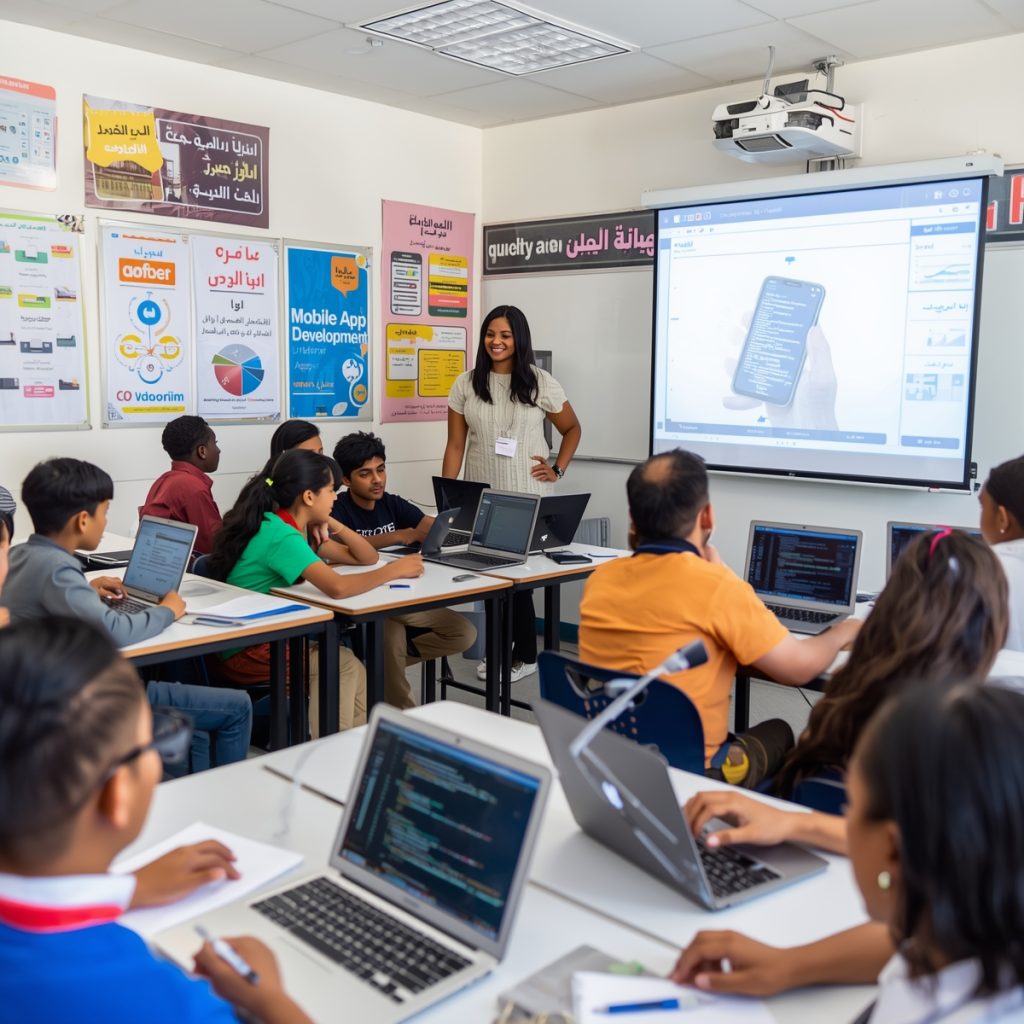
Educational institutions are not only teaching skills—they’re fostering a culture of innovation:
- Competitions and Awards: Recognizing student achievements in coding and app creation
- Showcases and Expos: Providing platforms for students to demonstrate projects to parents, peers, and investors
- Community Engagement: Encouraging students to create apps that benefit local communities
This approach positions Sharjah as a hub for nurturing the next generation of developers.
Future Outlook
With technology continuing to shape society, educational programs in Sharjah are likely to expand further:
- Greater integration of AI and machine learning into app curricula
- More partnerships between universities and tech startups
- Increased availability of scholarships and coding-focused programs
- Opportunities for students to launch startups locally and regionally
The emirate is steadily building a digitally skilled workforce that meets both national and global tech demands.
FAQ: Mobile App Learning in Sharjah
Q1. At what age can students start learning mobile app development?
Students can start as early as middle school with beginner-friendly platforms and progress to professional tools in higher education.
Q2. Are there opportunities for internships in Sharjah?
Yes, universities and bootcamps often collaborate with mobile app development companies in Sharjah, providing internships and mentorship.
Q3. Can high school students create real-world apps?
Absolutely. With guidance from teachers, workshops, and coding clubs, students can develop functional apps for local use.
Q4. Do coding programs in Sharjah focus on multiple platforms?
Yes, students learn both Android and iOS development, along with cross-platform frameworks like Flutter and React Native.
Conclusion: Preparing Students for a Digital Future
Educational institutions in Sharjah are actively shaping the next generation of tech innovators. By integrating mobile app development into schools, colleges, and universities, students gain skills, experience, and confidence to succeed in a rapidly changing digital world.
Whether your goal is to learn coding, launch a startup, or develop a career in technology, Sharjah provides the resources, mentorship, and environment to turn ideas into reality.
Contact Us or Get a Free Quote Today to explore programs, workshops, or professional guidance in mobile app development and start building your digital future!